

Facilitating Student Engagement with PhET Simulations
Teachers who embrace active learning with PhET consider not only the simulation and the activities they might design, but also plan for the instructional moves they will make during the lesson. Facilitation involves managing the classroom and responding appropriately to emergent student ideas.
Guides
Facilitation Strategies
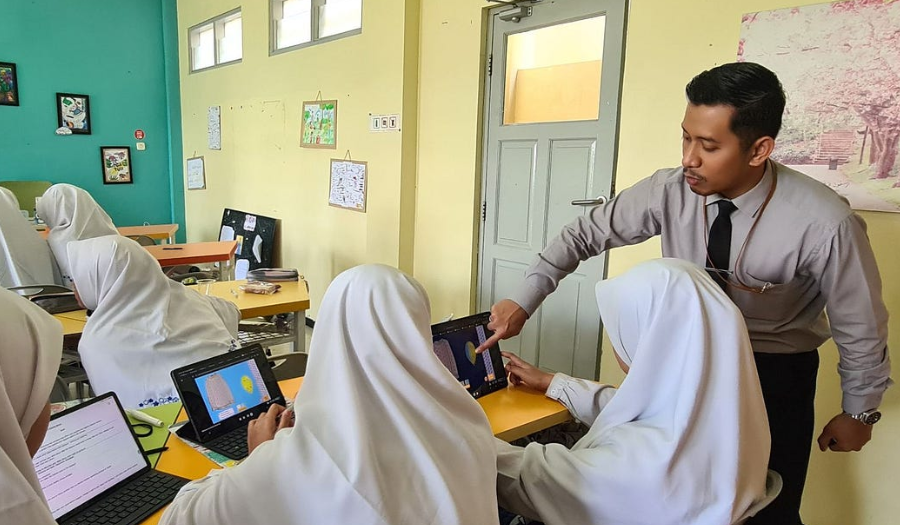
Knowing how to guide individuals or small groups through a simulation is just as important as the activity itself. Grounded in real classroom observations, these strategies offer flexible, practical approaches for fostering inquiry, responding to student discoveries, and bringing a PhET lesson together with purpose and momentum.
Facilitation Strategies (PDF)Pre-Implementation Reflection Tool

Before implementing your lesson with students, use the pre-implementation reflection tool to find areas for improvement. Look for evidence of active learning, equity, whole class and small group strategies.
Pre-Implementation Reflection Tool (PDF)Post-Implementation Reflection Tool
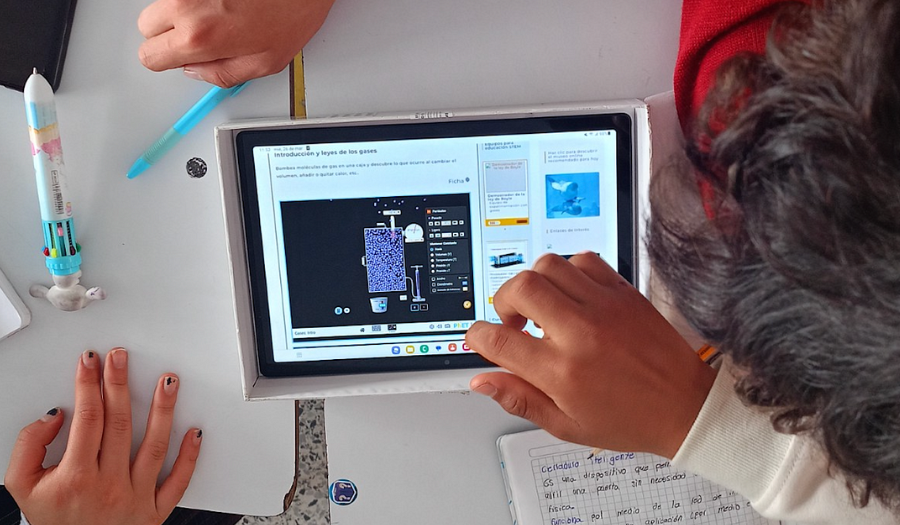
After implementing your lesson, reflect on how well you and your students achieved your instructional and learning goals using the post-implementation reflection tool.
Post-Implementation Reflection Tool (PDF)Videos
Facilitating Activities with PhET: An Overview
This video provides an overview of strategies for effectively facilitating K–12 in-class activities with PhET.
Facilitating Activities in K-12 Part 1 of 8: Preparing for a PhET activity
How do you get ready to use PhET activities in K12? This video discusses key things to consider.
Facilitating Activities in K-12 Part 2 of 8: Getting Started in Class
How do you introduce your students to a PhET activity? This short video discusses ways to get students warmed up and ready to engage in inquiry.
Facilitating Activities in K-12 Part 3 of 8: Starting Out with Open Play
How do you help students get oriented to the simulation features and uses, so they're ready to engage in your activity? This video describes what has been found to be a key ingredient -- starting with "open play."
Facilitating Activities in K-12 Part 4 of 8: Circulating and Helping Students in Small Groups
While students are working, what sorts of things can you do to help them work productively, without taking over the computer? This video discusses some useful strategies for teachers.
Facilitating Activities in K-12 Part 5 of 8: Pacing and Checks for Understanding
How do you make sure the class is on track for achieving your learning goals? This short video discusses ways that teachers keep an eye on students' progress through guided inquiry activities.
Facilitating Activities in K-12 Part 6 of 8: Supporting Student Ownership
When students feel in control of their own learning, they're much more likely to engage in the activity. But how can you promote such ownership? This video recommends several strategies to help promote student ownership.
Facilitating Activities in K-12 Part 7 of 8: Facilitating Whole Class Discussions
After students have interacted with the simulation, it can be helpful to bring the whole class together to discuss what they have learned. This video shares teachers' ideas on how they have productively drawn out student ideas.
Facilitating Activities in K-12 Part 8 of 8: Putting it all Together
As a PhET activity wraps up, how can you help students synthesize what they have learned? This video discusses ways to bring a close to the lesson.
Explore More
Read more from PhysPort: